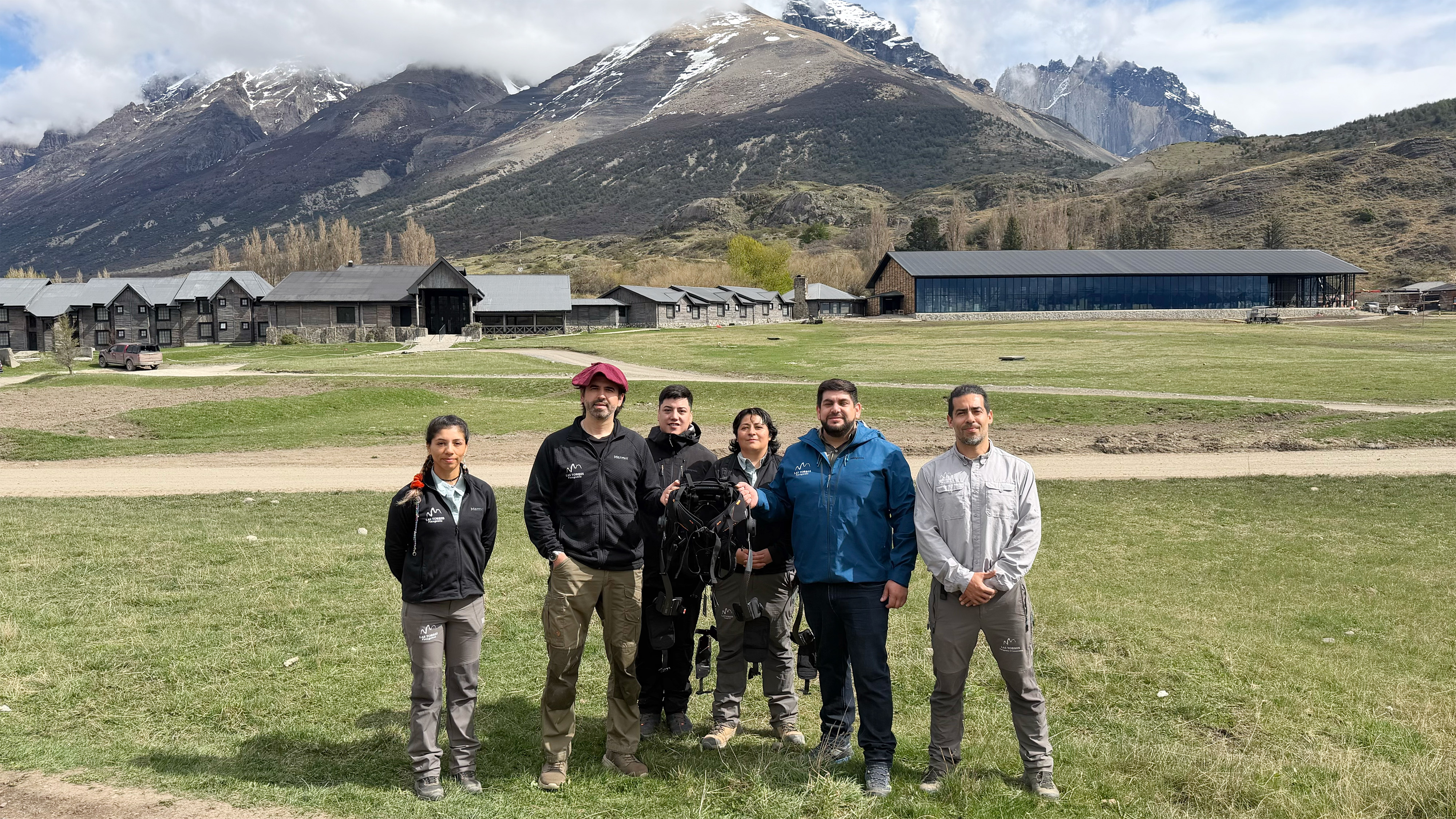
Through a collaboration with technology company Hypershell, Las Torres Patagonia Conservancy has received two exoskeleton systems for its rangers to test in the field. The initiative is part of HyperLIFT, an international program exploring the potential of wearable robotics in physically demanding environments.
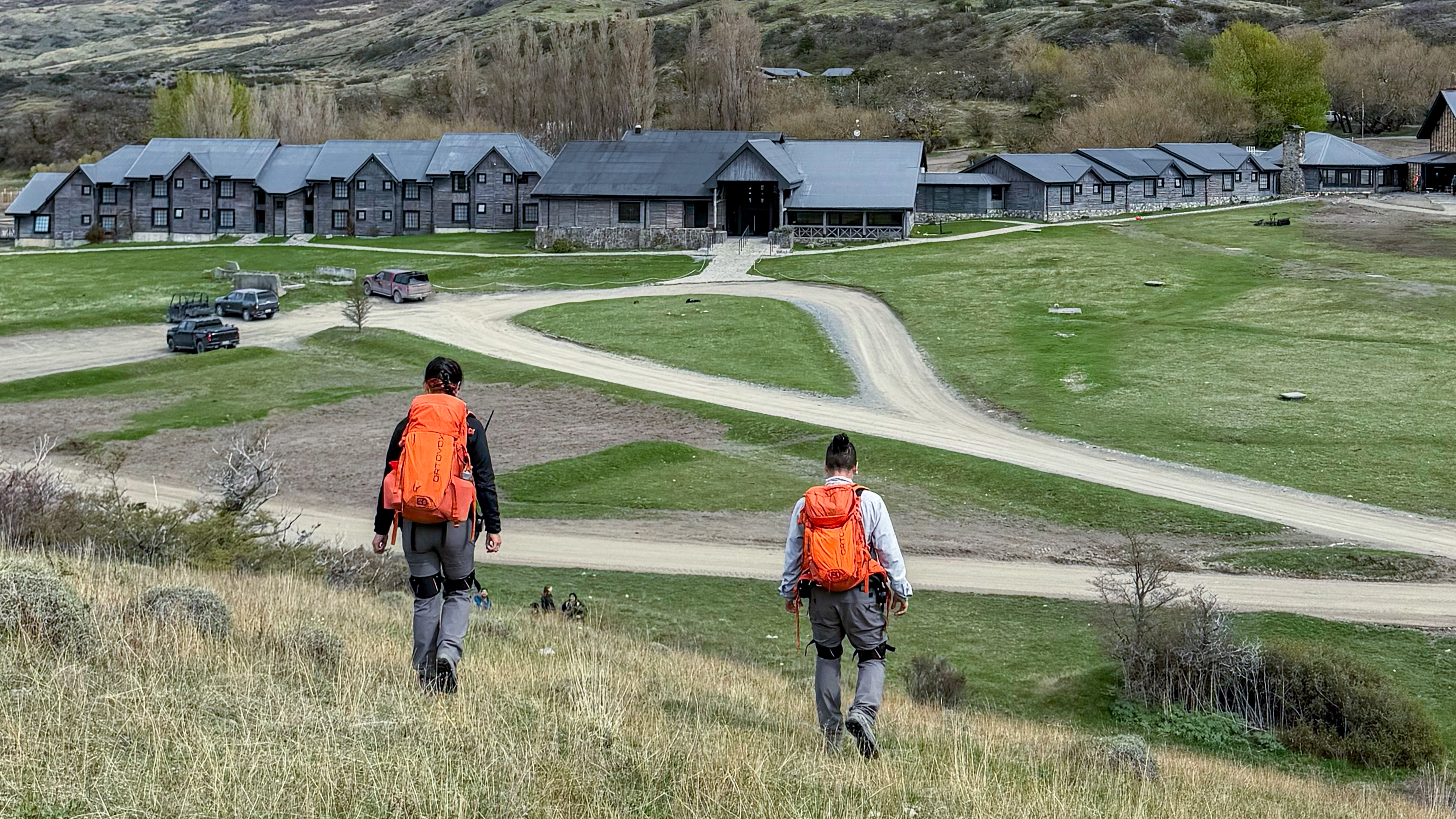
Torres del Paine, Chile, November 24, 2026. – Long distances, rugged terrain and unpredictable weather are among the daily challenges facing rangers working in Patagonia. In such demanding conditions, technologies that help reduce physical strain could make a meaningful difference. With this in mind, Las Torres Patagonia Conservancy, the nonprofit arm of Las Torres Patagonia, has begun testing two exoskeleton systems provided by Hypershell, allowing its rangers to assess their performance and share feedback on their use in Patagonia’s unique environment.
The trial marks the southernmost location to date for HyperLIFT, Hypershell’s Lifesaving Innovation Field Test program. Its expansion into Chilean Patagonia brings the initiative to a remote region where extreme weather conditions and challenging terrain place significant demands on teams working in the field.
The devices being tested are Hypershell X Ultra S exoskeletons, which combine motorized assistance and artificial intelligence to support movement, particularly during ascents, descents and long-distance hikes. Designed to reduce physical exertion while moving across demanding terrain, the technology will be evaluated to determine how effectively it can assist rangers in the specific conditions of Torres del Paine.
Hypershell has been in Chile since 2025, and in recent months @VikingoTech has been bringing it to Patagonia as its regional distributor. Since then, its exoskeletons have gradually been introduced to the mountain trekking community as a way to support movement on physically demanding routes. The trial with Las Torres Patagonia Conservancy represents a further step in exploring the technology’s potential applications in conservation work and visitor safety.
Emergency response is another area where the technology could prove valuable. In remote mountain environments, long distances and difficult terrain can add significantly to the physical demands of reaching people who need assistance. By potentially reducing fatigue during these journeys, exoskeletons could help rangers conserve energy for essential tasks, including assisting visitors and supporting evacuation procedures when required and within the scope of their responsibilities.
“At Las Torres Patagonia, we believe that protecting nature also means looking after the people who work in it and those who come to experience it. This collaboration gives us the opportunity to explore new technologies that could reduce the physical demands on our rangers and strengthen their ability to work in the field. We are committed to introducing innovation responsibly, assessing solutions that can contribute to safety, the wellbeing of our teams and effective conservation management.” said John Ojeda, Executive Director of Las Torres Patagonia Conservancy.
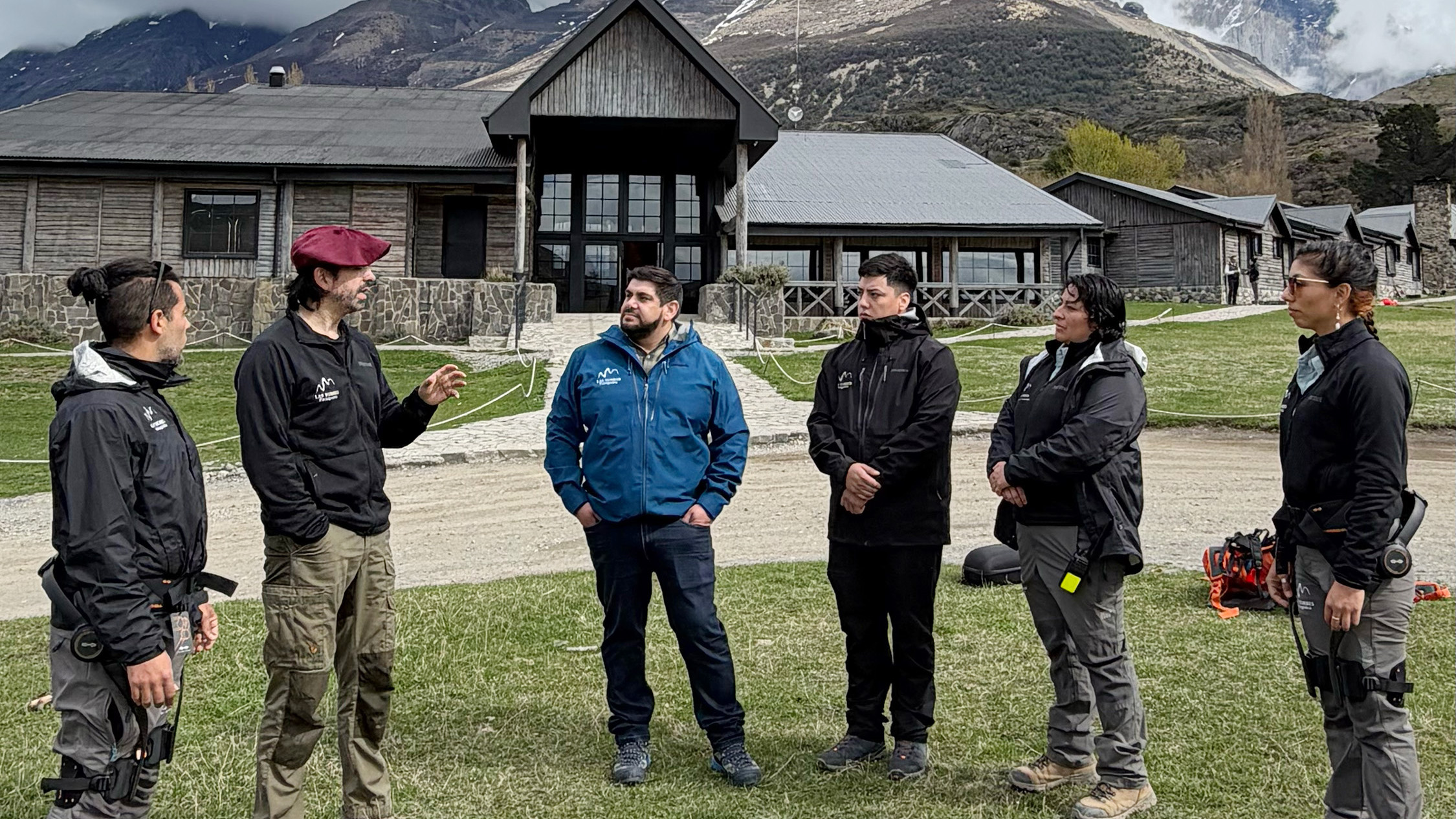
As part of the trial, the ranger team received training on how the exoskeletons work, their different levels of assistance and recommended practices for their use.
Las Torres Patagonia Conservancy is a nonprofit organization dedicated to protecting natural and cultural heritage through research, ecological restoration and environmental education. Its rangers play a vital role in trail maintenance, visitor guidance and providing support during emergencies.
Through this collaboration, Las Torres Patagonia reinforces its commitment to visitor safety and staff wellbeing while exploring how emerging technologies can support conservation efforts and help protect one of Chile’s most iconic natural destinations.