
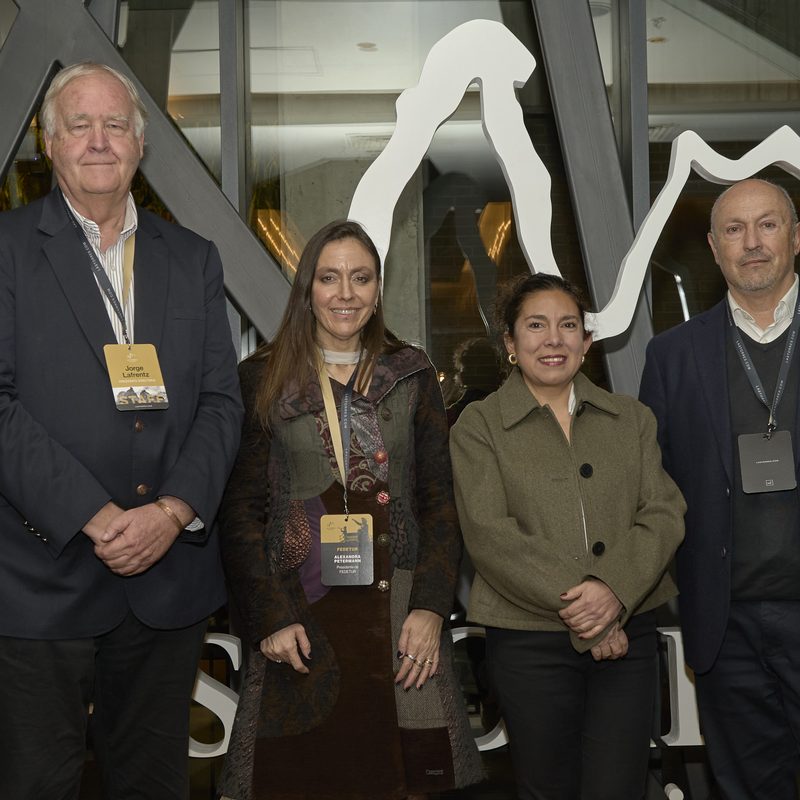
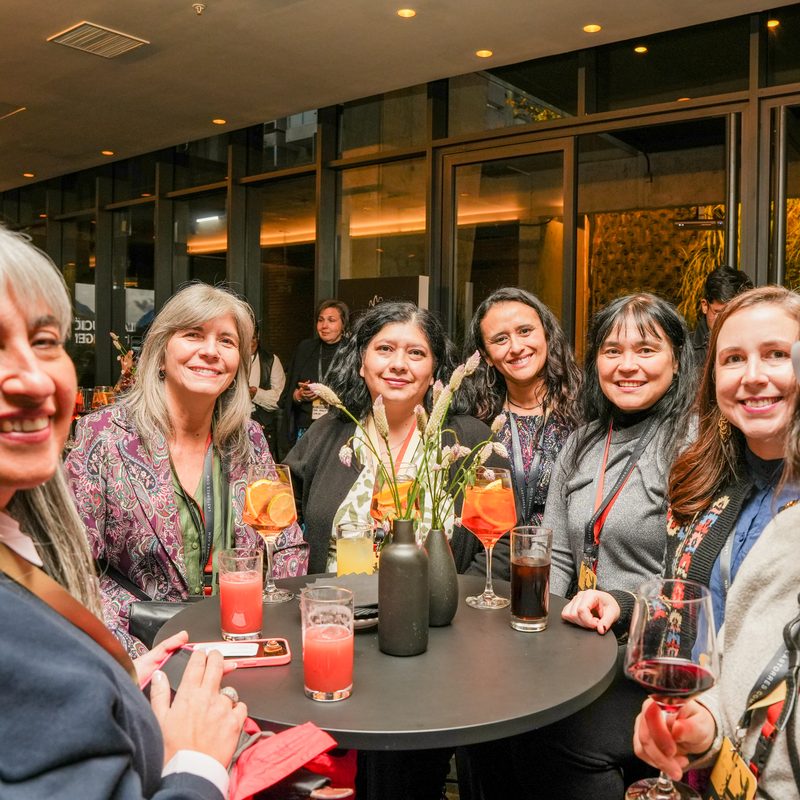
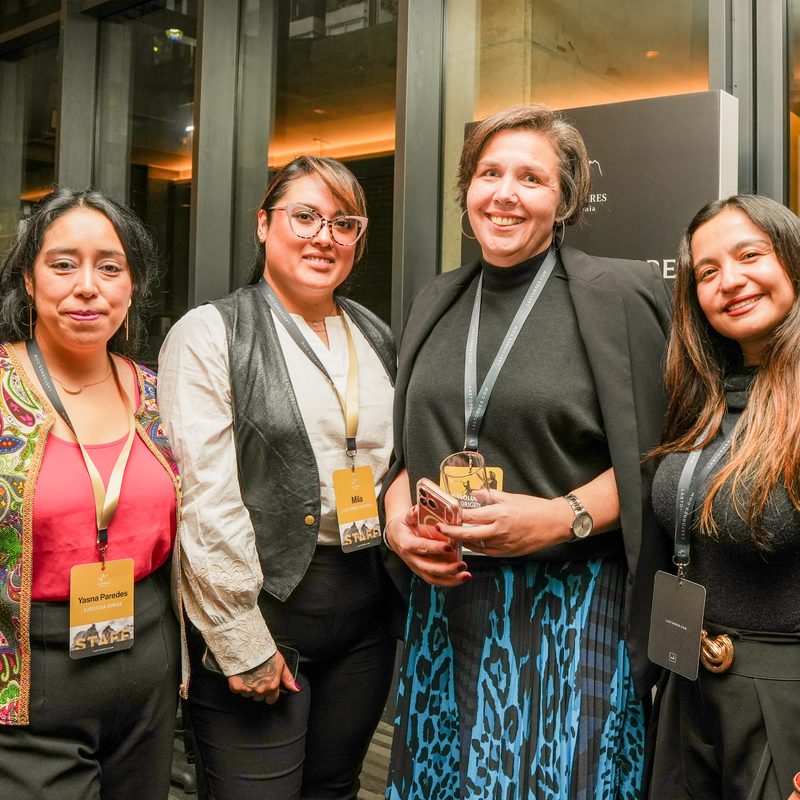


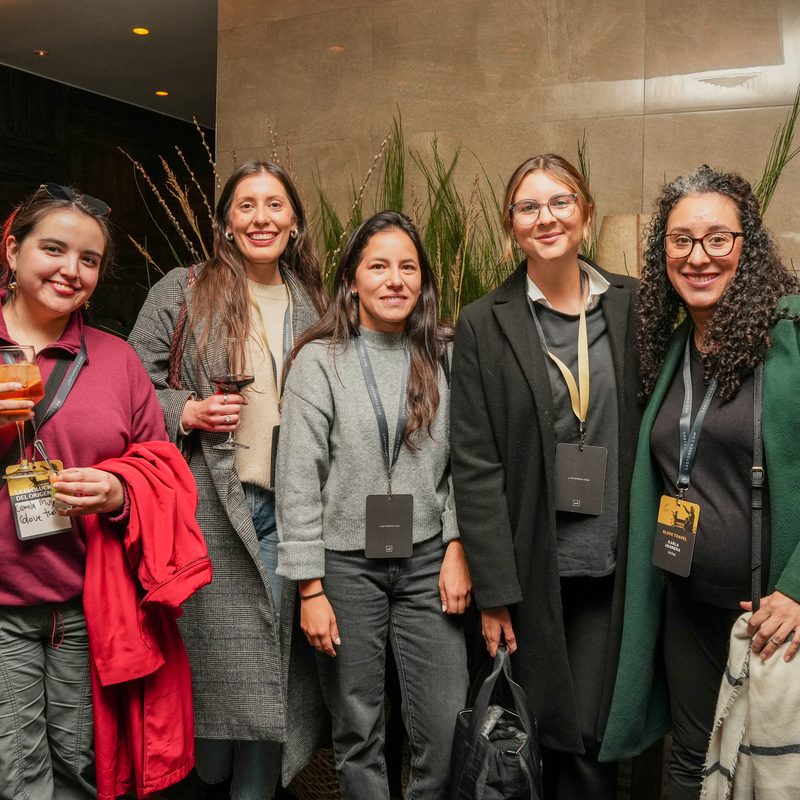
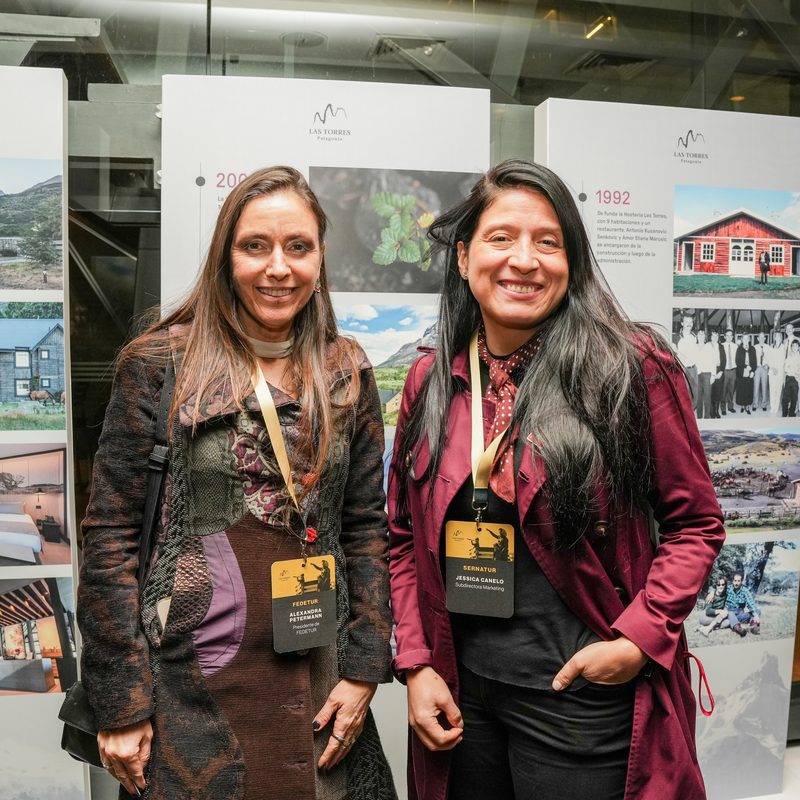

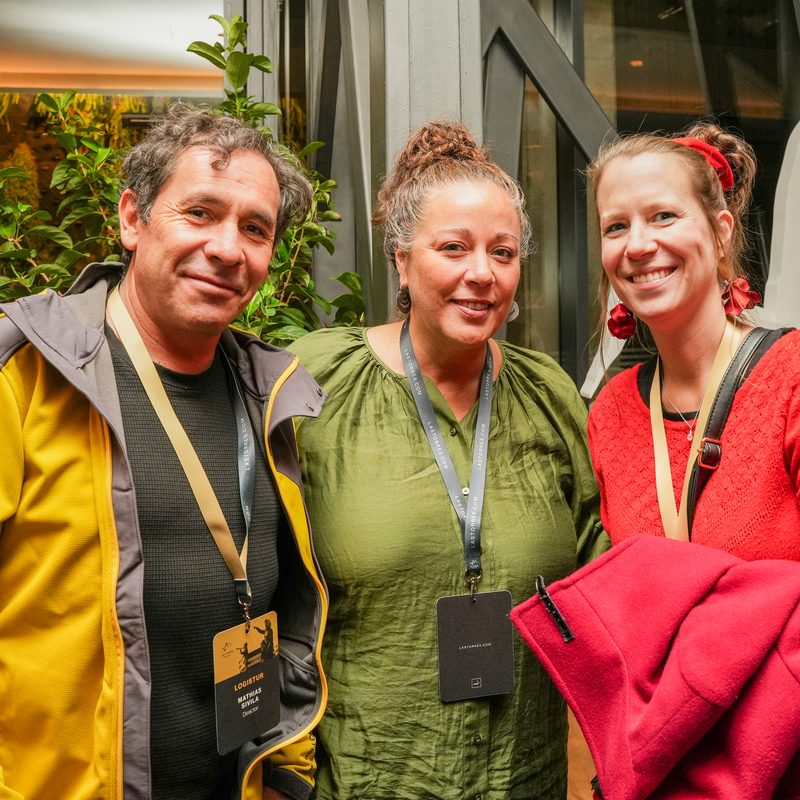

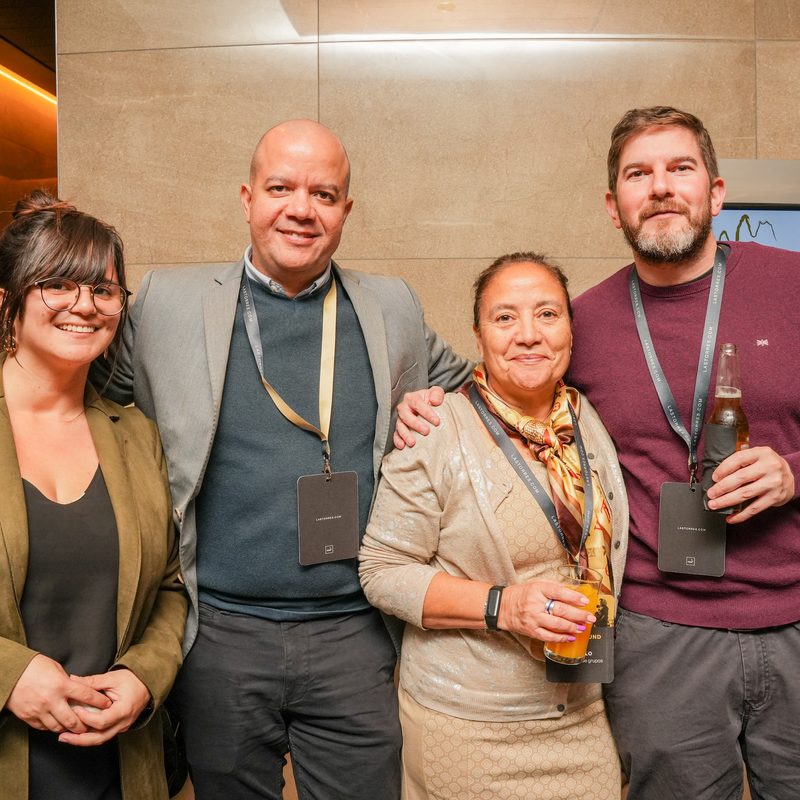

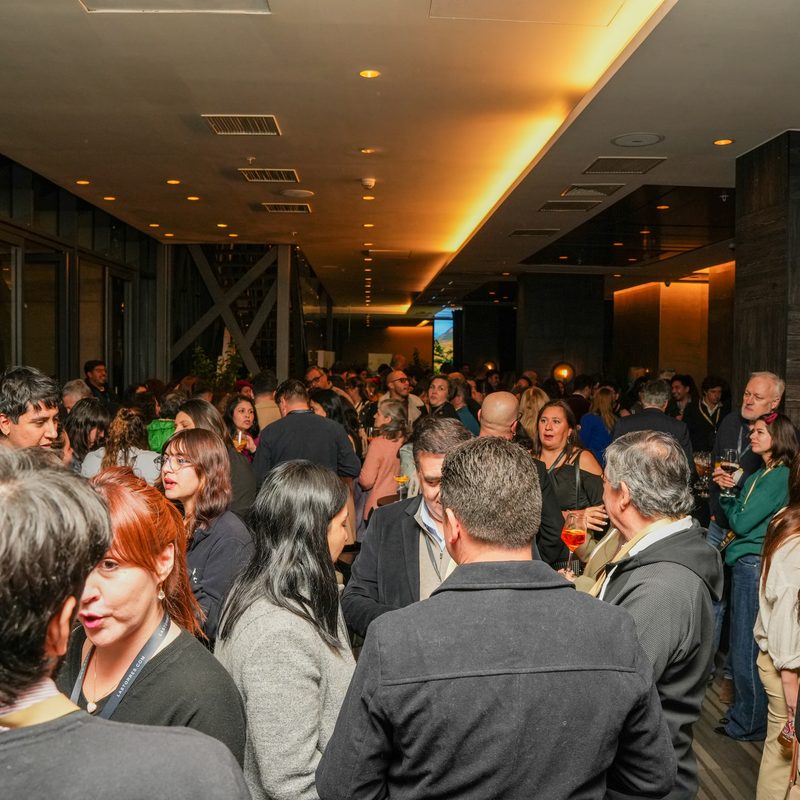
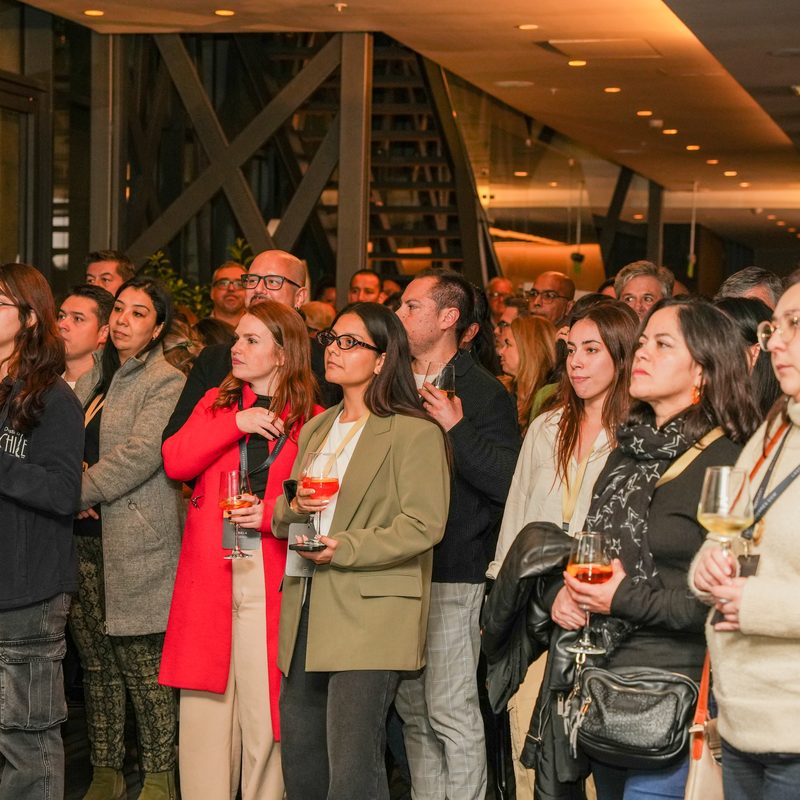




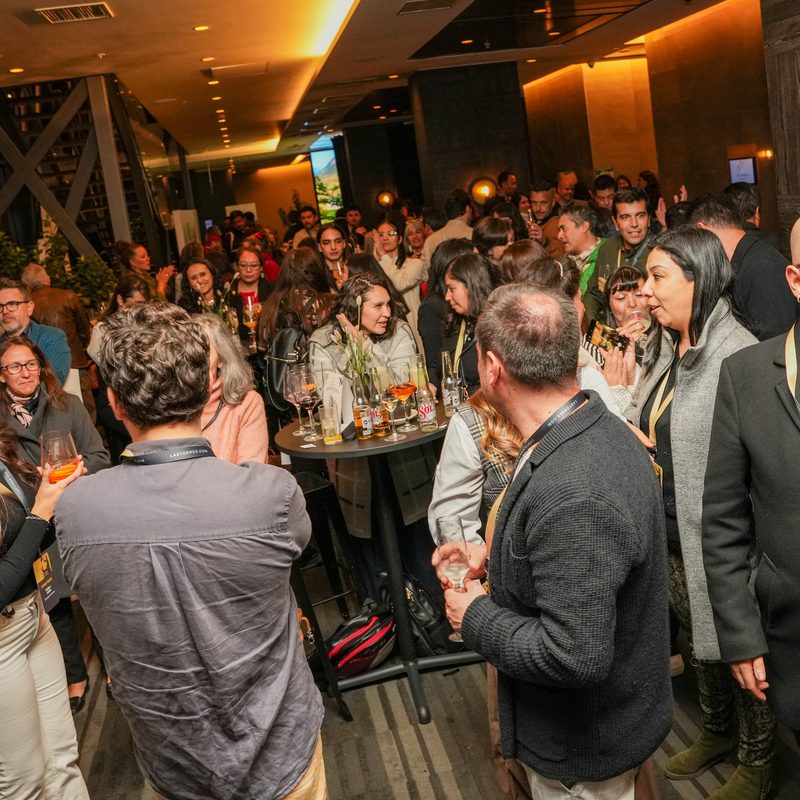

Friday, May 8, 2026. On Thursday, more than 200 attendees participated in a new iteration of the yearly event organized by Las Torres Patagonia with tour operators and key players in the tourism industry. The gathering has become a mainstay for networking and showcasing new offerings in the lead-up to the high season in Chilean Patagonia.
Titled “The Evolution of Origin,” the third annual event sought to recognize the vital role played by tour operators in promoting and marketing Chile as a tourist destination, particularly in international markets.
At the event, Las Torres Patagonia presented the key projects and initiatives that will mark the 2026/2027 season. The natural and cultural reserve, located in the heart of Torres del Paine National Park thanks to its historic roots in the region, highlighted the brand’s evolution and its value proposition, which combines tourism experiences, Patagonian identity, sustainability, conservation, and new infrastructure, while always maintaining its core values and deep connection to Patagonia.
One of the major new developments shared was the new 2,000-square-meter restaurant, designed to resemble a traditional Patagonian barn. The restaurant is part of an ongoing transformation at Las Torres Patagonia to enhance the guest experience by fostering a deeper connection to the land, local culture, and conservation. The new space will also feature what will be the world’s southernmost tasting room.
The company also shared updates on its tourism infrastructure, new visitor experiences, hospitality upgrades, and a range of sustainability and conservation initiatives in Torres del Paine, further solidifying its position as a leading provider of nature tourism and premium experiences in Chile.
The event also served to highlight some of the recent conservation and climate action initiatives undertaken by Las Torres Patagonia, including the inauguration of the first section of the rebuilt Base Torres Trail—the most visited in Chile. This initiative was designed to protect and restore one of the country’s most iconic trails with sustainable infrastructure and responsible visitor management.
A video was shown highlighting the company’s ten most significant initiatives in the areas of sustainability, conservation, and community engagement, illustrating the focus behind the brand’s current evolution and its connection to Chilean Patagonia.
Honoring outstanding partners
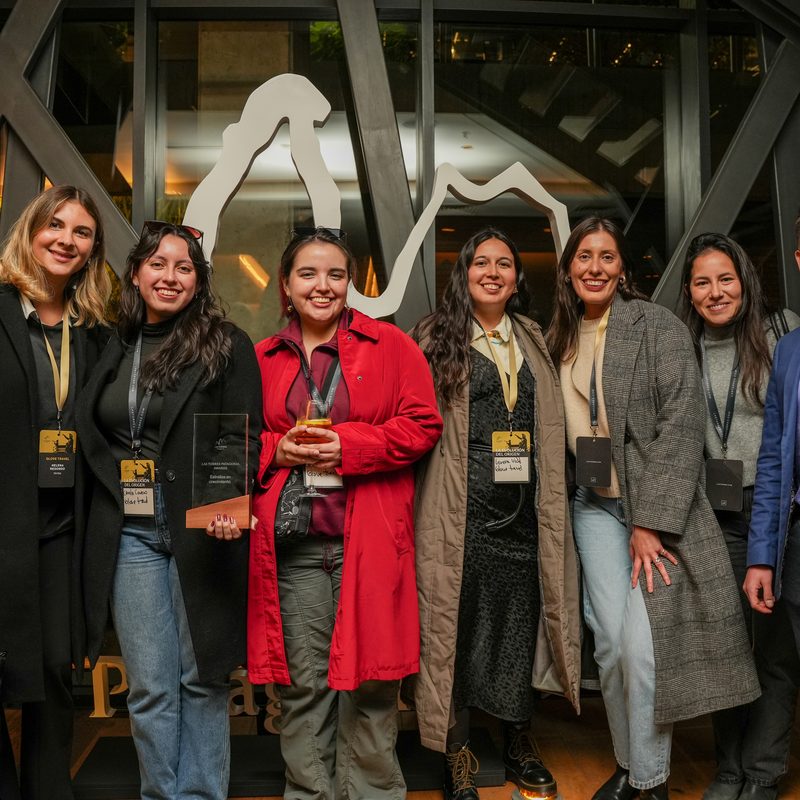
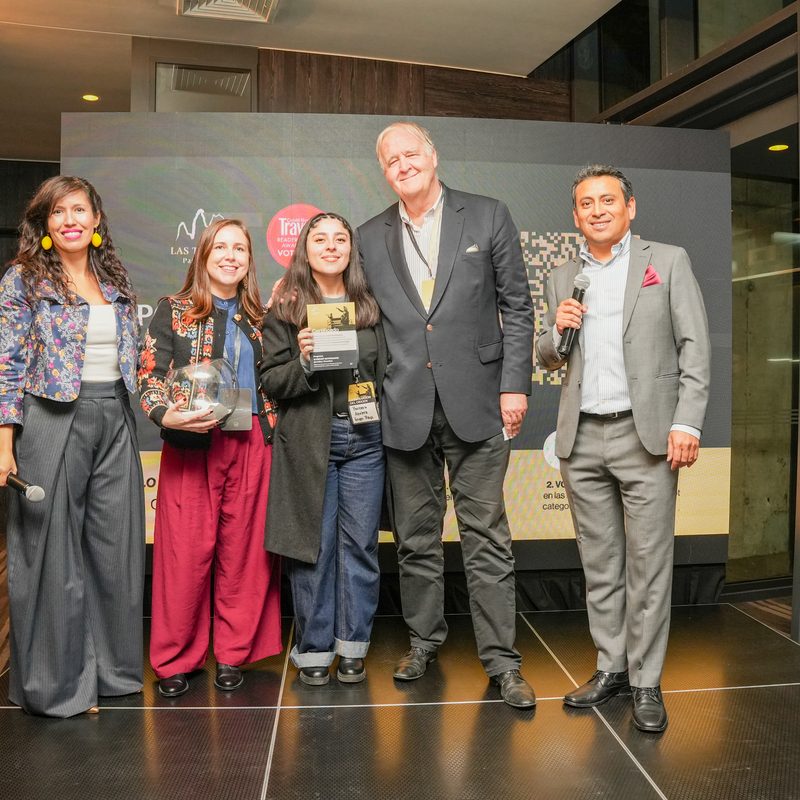
This year’s event also featured the inaugural “Las Torres Patagonia Awards,” an accolade created by the company to recognize the most outstanding tour operators in various categories, highlighting their collaborative work and contribution to promoting and strengthening Patagonia as an international destination.
Juan López, the Sales and Marketing Director of Las Torres Patagonia, commented that “the transformation that Las Torres Patagonia is undergoing seeks to provide an experience that is increasingly authentic, sophisticated, and connected to the surrounding environment. We want to continue promoting Chilean Patagonia as a world-class destination, but we want to do so responsibly, by putting sustainability and conservation at the heart of our growth.”
He also noted that “today, sustainability and conservation are central to how we view the development of tourism in Patagonia. Our challenge is to continue growing and offering world-class experiences, but always doing so responsibly, with a deep commitment to the territory and through concrete actions on environmental and climate issues.”
The gathering was also an opportunity to forge closer ties with key players in the domestic and international tourism sector, at a time when Patagonia continues to cement its position as one of the most popular destinations among long-haul travelers and high-end tourists.
The organization noted that events like this help project the growth of Chile’s tourism industry based on public-private partnerships, innovation, and an increasingly sophisticated and sustainable service offering that can keep up with global tourism trends.