After a record-breaking 2022-2023 season, Las Torres Patagonia, a natural reserve and travel destination located in Las Torres del Paine, hopes to increase food production from its organic garden for the 2023-2024 season and advance its waste composting strategy.
For decades, sustainability has been a hallmark of Las Torres Patagonia. Proof of this is its ambitious agroecological commitments: an organic, regenerative, and bio-intensive garden cultivated in the soils of Patagonia. This garden is a pesticide and chemical-free source of vegetables and fruits for hotel guests and staff.
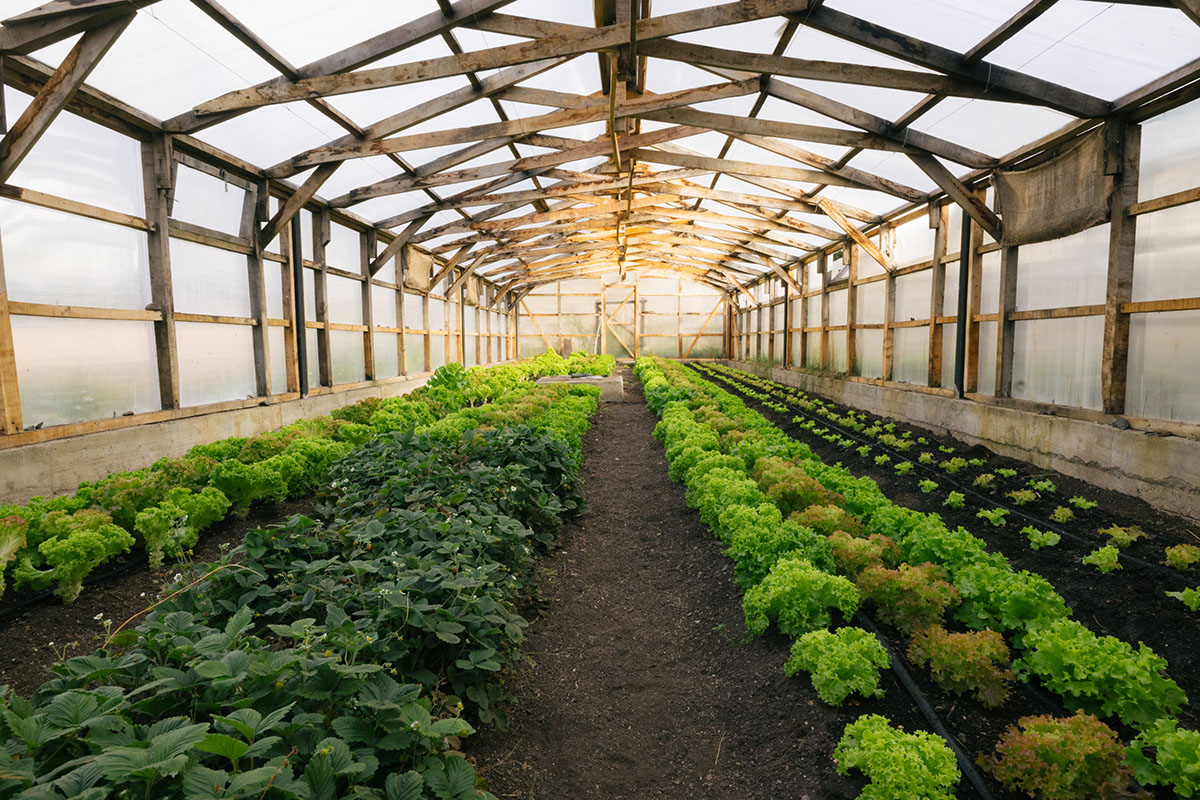
For the 2022-2023 season, the Torres Patagonia organic garden produced nearly 3 tons of food between September and April, a 26 percent increase compared to 2,042 kg from the previous period. The food grown during the last season was enough to supply 40 percent of the vegetables and fruits consumed by staff and guests of Las Torres Patagonia. For the upcoming season, which begins September 2023, Las Torres anticipates producing approximately 3 tons of food, including vegetables and fruits.
The key to this fruitful garden lies first in bio-intensive production. This method means various vegetables, fruits, and herbs are grown in the same sector, which allows biological diversity within the garden. Operating with a maximum of 5,000 m², about 50 crops are planted, transplanted, and rotated each season to help regenerate the soil.
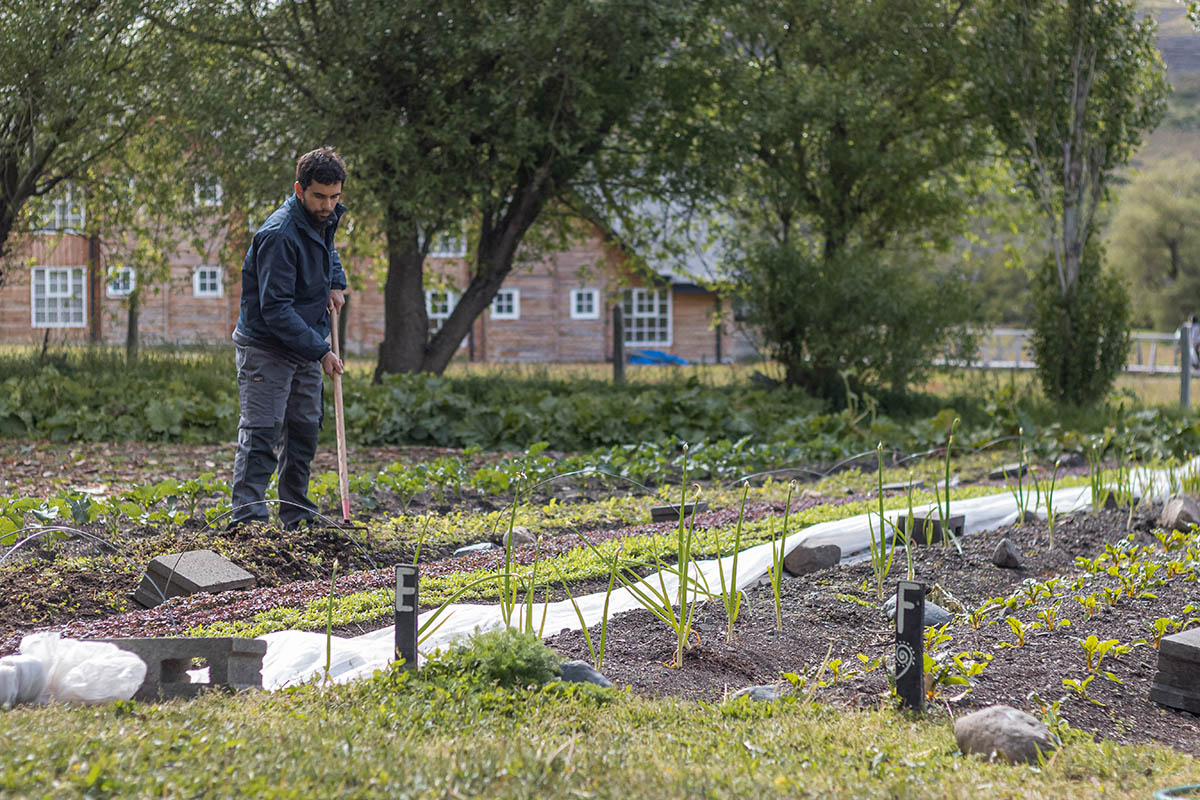
The harvest for last season delivered vegetables and fruits such as zucchini, radishes, potatoes, and plums, among many others. Carrots and lettuce reap the most reward, producing 436 and 608 kilos. For Las Torres’ off-season, the land is prepared and cared for with different layers of organic material to regenerate nutrients so that the soil can offer the same quality of vegetables as before.
Another critical stage of garden work is composting. The reserve, aware of the garbage it generates, processes and composts organic waste to transform it into natural fertilizer. It returns this organic matter, rich in nutrients, to the soil for better food production, which helps water absorption and retention, non-leaching nutrients, and air retention.
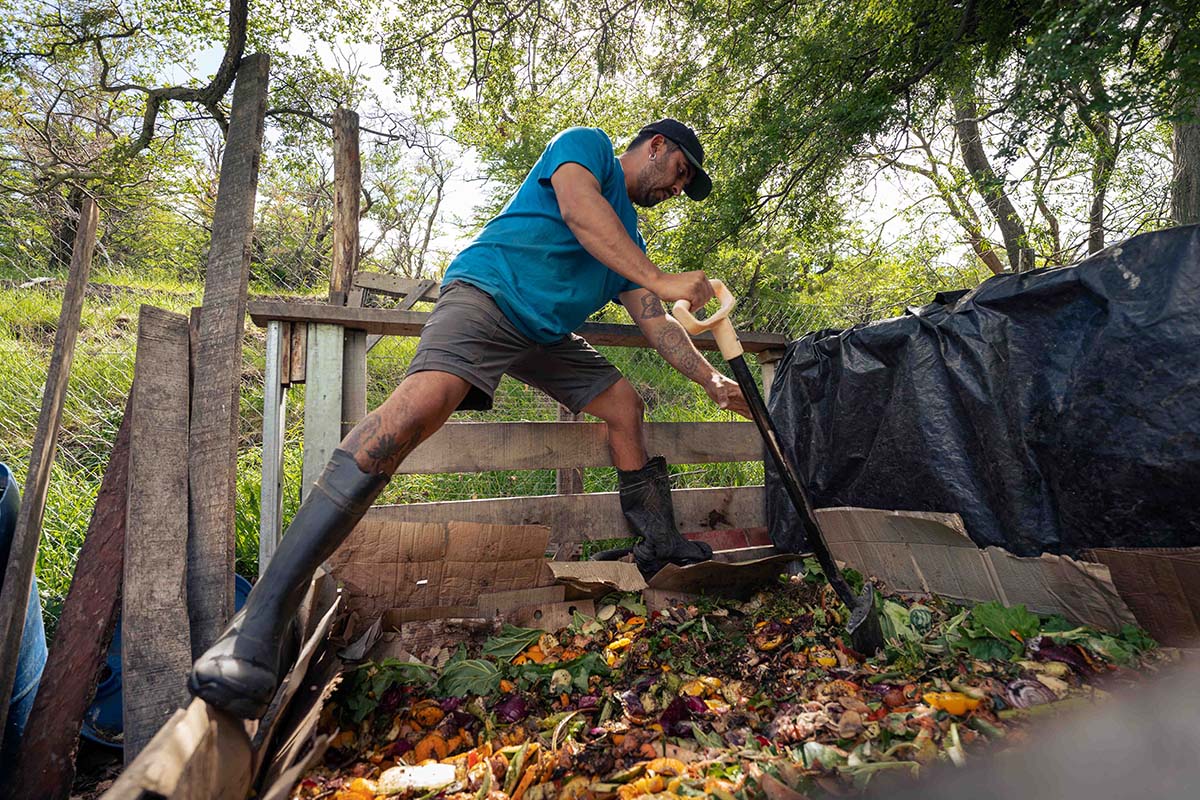
The garden processed 16,709 kg of organic waste, during the period 2022-2023, a noticeable variation compared to the previous season, where 14,046 kg of waste was composted, a difference explained by the fact that the composting project throughout the reserve was launched this season.
This waste in turn generated 10,595 kg of compost to be applied in the garden throughout the productive season, during the beginning of the recess season and to start the following season.